What are sitelinks on a website? Unlocking Better Visibility and User Experience
As a small- to medium-business owner or marketing manager, you're constantly looking for new ways to improve your brand's online presence. You're probably aware of the importance of ranking high in search results, but have you ever noticed the extra links that appear beneath some of Google's top search results? These powerful shortcuts are known as sitelinks, and mastering them can dramatically improve your website's visibility and user engagement.
Understanding and optimizing for sitelinks is an important part of any effective SEO strategy, and we're here to help.
What exactly are Sitelinks?
Simply put, sitelinks are sub-listings that appear beneath the main search result for a specific website or page in Google's search results (SERPs). They serve as direct links to important sections or pages on that website, allowing users to quickly access relevant content without having to navigate through the homepage.
Think of them as Google's way of saying, "Hey, we know what you're looking for on this site, so here are some direct links to help you find it faster!"
Sitelinks can take various forms:
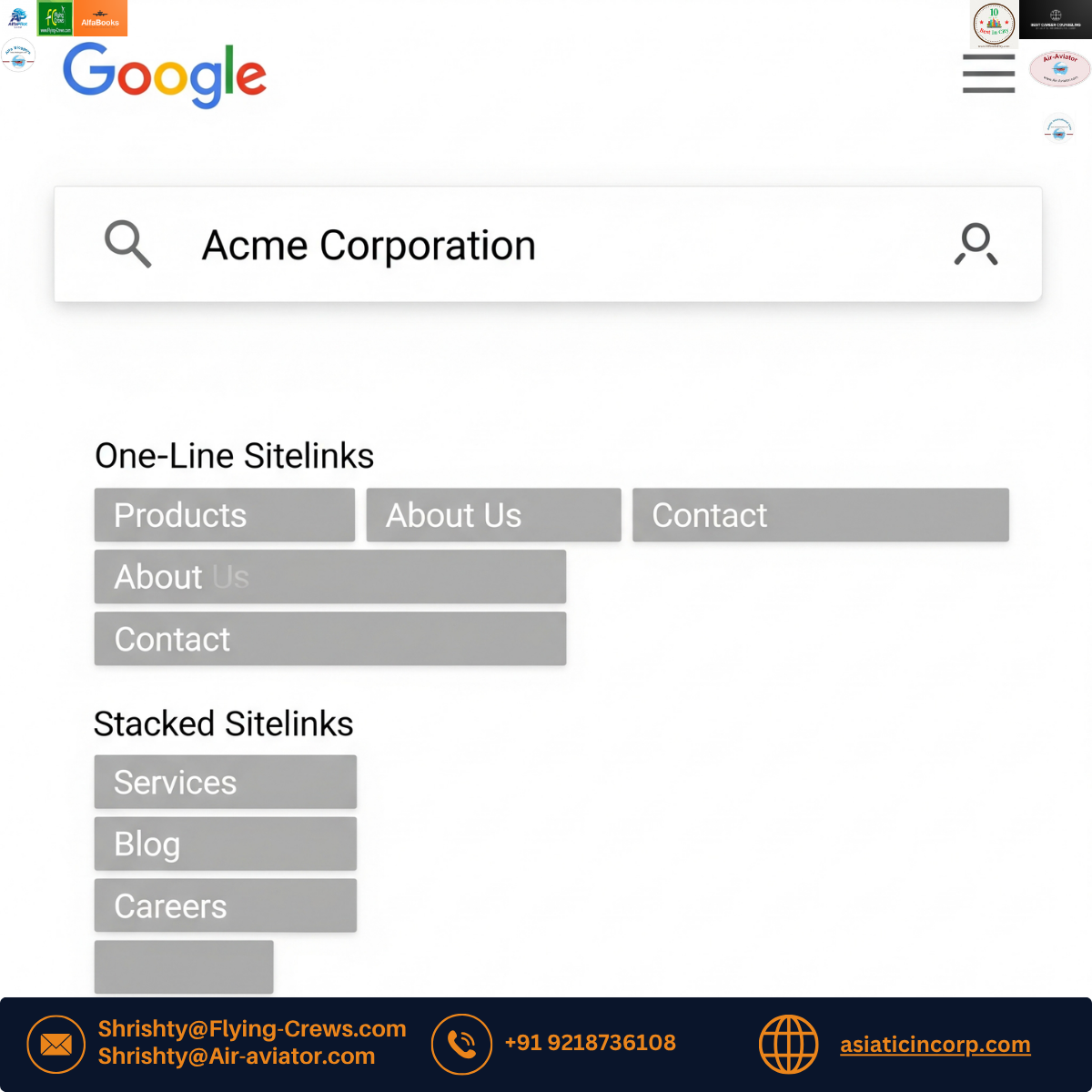
Stacked Sitelinks (commonly used for branded searches): These are typically displayed vertically in a column, with 4 to 6 links and brief descriptions. They typically appear for strong brand searches in which Google is confident that the user intends to visit specific sections of your website.
One-Line Sitelinks (horizontal): These are more compact, appearing as a horizontal row of 2-4 links, frequently without descriptions. They can appear for a wide range of queries, including informational searches and internal page links within long articles.
Why Sitelinks Matter: The Undeniable Benefits
The presence of sitelinks is a clear signal of authority and an invaluable asset for your digital marketing efforts.
Increased Visibility & SERP Real Estate: Sitelinks dramatically expand your presence on the search results page. Your listing takes up significantly more space, pushing competitors down and attracting more attention to your brand. This increased "real estate" makes your result stand out.
Improved User Experience (UX): Sitelinks are all about convenience. Users can skip the homepage and go straight to the product page, "About Us" section, contact form, or specific article they are interested in. This streamlined navigation saves time and instantly improves your site's usability.
Increased Click-Through Rates (CTR): More visible space and direct navigation options naturally result in more clicks. Studies consistently show that search results with sitelinks have significantly higher CTRs, directing more qualified traffic to the pages that users want to see.
Enhanced Credibility and Brand Authority: Google does not provide sitelinks to all websites. Their appearance is an algorithmic "stamp of approval," indicating that Google trusts your website, finds it well-structured, and believes its content is highly relevant and useful. This increases your brand's perceived credibility and authority among potential customers.
How Google Chooses Sitelinks: It's Algorithmic, Not Manual
Here's an important point: You can't manually select or submit sitelinks to Google. Google's sophisticated algorithms determine whether or not sitelinks should appear for a given query, as well as which pages to include.
Their system examines your site's structure, content, and internal linking patterns to identify "shortcuts" that best meet the user's intent.
Google only displays sitelinks when it believes they will truly benefit the user, resulting in a better search experience than if they were not present.
How to Influence & Optimize for Sitelinks: Actionable Strategies
While you don't have direct control, you can definitely influence which pages Google uses as sitelinks. Make sure your website is clear, logical, and user-friendly for both visitors and search engine crawlers.
Clear, logical website structure and navigation:
Create a clear hierarchy for your website (e.g., homepage > main categories > subcategories > individual pages).
Make sure your main navigation menus are intuitive and consistent throughout your website, with clear, descriptive labels.
Avoid "orphan pages"; each important page should be easily accessible via your site's navigation.
Robust Internal Linking Strategy:
Link to your most important pages frequently and naturally from other pages on your website.
Use descriptive and concise anchor text (clickable text) for your internal links. This helps Google figure out what the linked page is about.
Consider using a table of contents with jump links to different sections (using HTML heading tags such as H2 and H3) in long articles. This frequently produces one-line sitelinks within search results.
Unique and Descriptive Page Titles & Headings:
Every page of your website should have a distinct, concise, and highly descriptive tag. This is crucial because Google frequently uses these titles as sitelink text.
Utilize clear and hierarchical heading tags (H1, H2, H3, etc.) within your page content. These also help Google understand the structure and key topics of your pages.
High-Quality, Relevant Content:
Ultimately, Google wants to serve the best possible content to its users. Focus on creating valuable, comprehensive, and relevant content that genuinely answers user queries and fulfills their needs. Well-written, in-depth content is the foundation of good SEO and increases the likelihood of being deemed authoritative enough for sitelinks.
Utilize Google Search Console (GSC) 📊:
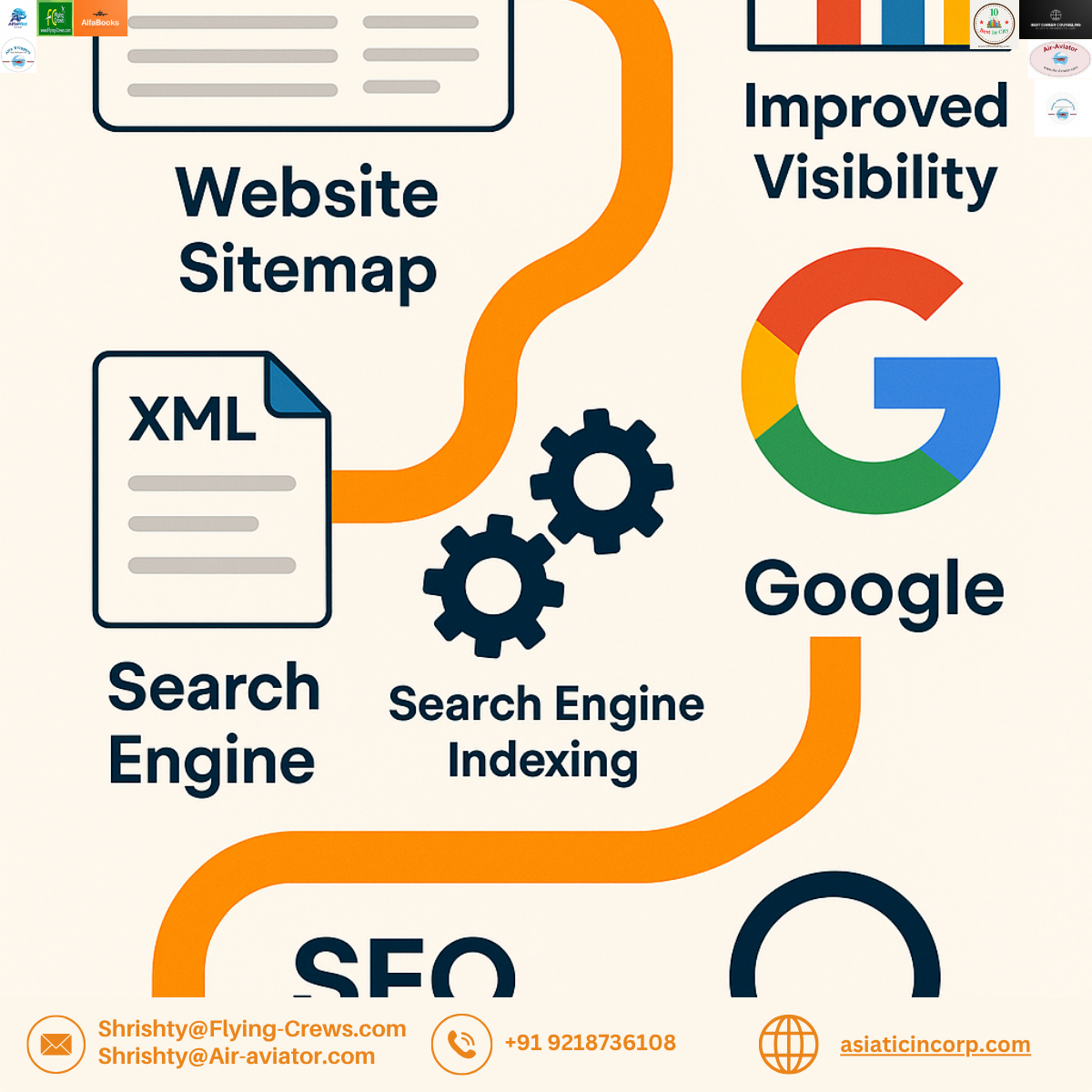
Submit an up-to-date XML sitemap through GSC to help Google discover and understand all of your website's pages.
Monitor your GSC "Performance" reports to see if sitelinks are appearing for your brand or specific pages. While you can no longer "demote" sitelinks directly in GSC (Google removed this feature years ago), if an unwanted sitelink appears, the best course of action is to reconsider why Google considers that page important. If it is truly irrelevant or of low quality, you should consider updating it, improving its content, or even noindexing it to remove it from all search results.
Unlock Your Website's Full Potential
Sitelinks are more than just extra links; they're a powerful indicator of a healthy, authoritative, and user-friendly website. They require a thorough understanding of SEO best practices, website architecture, and ongoing content optimization.
Kushagra Kumar Mungutwar
https://www.linkedin.com/in/kushm/
https://linktr.ee/kushm16
https://linko.page/kushm16?s=url
https://www.instagram.com/asiatic_in_corp